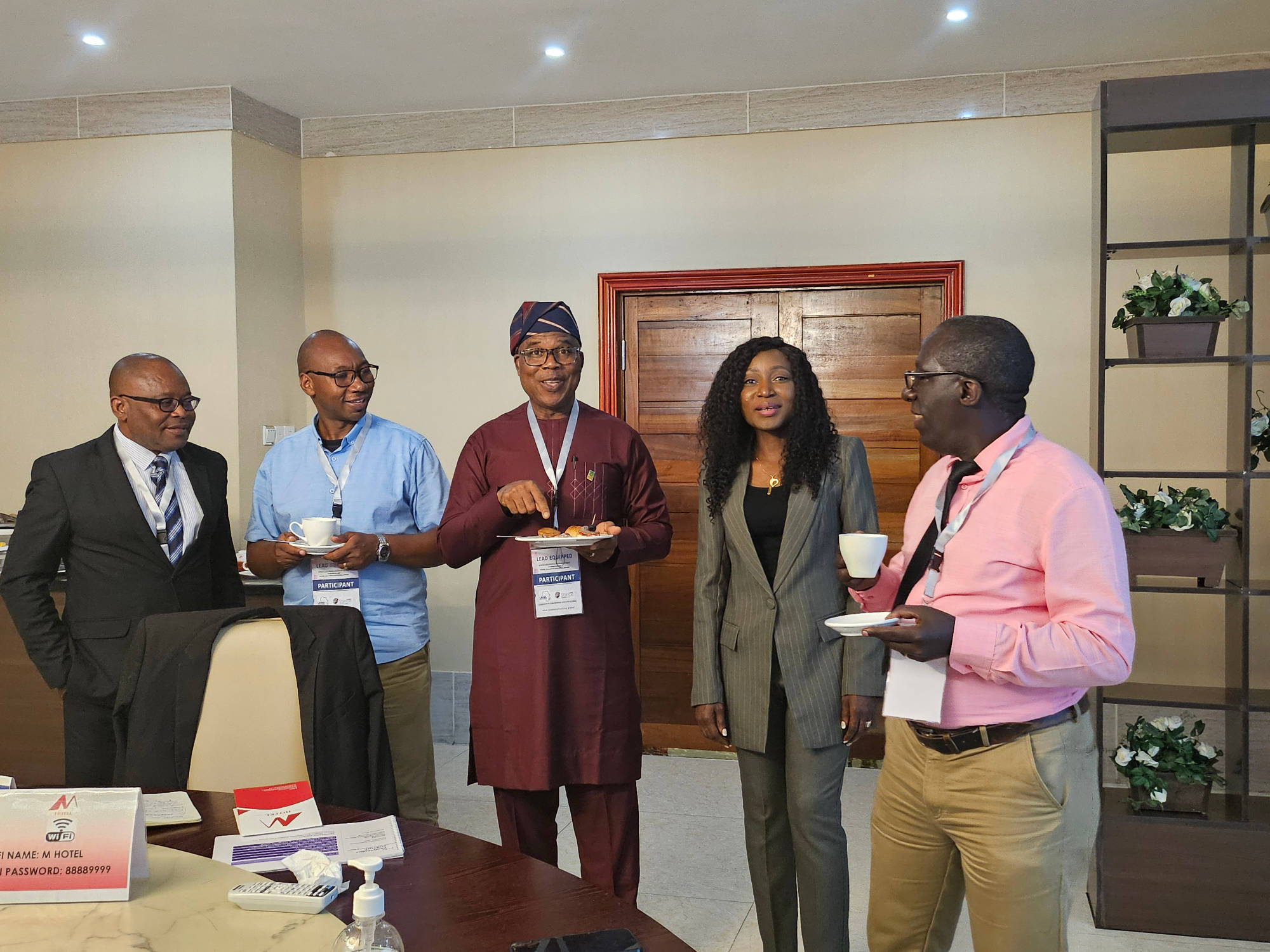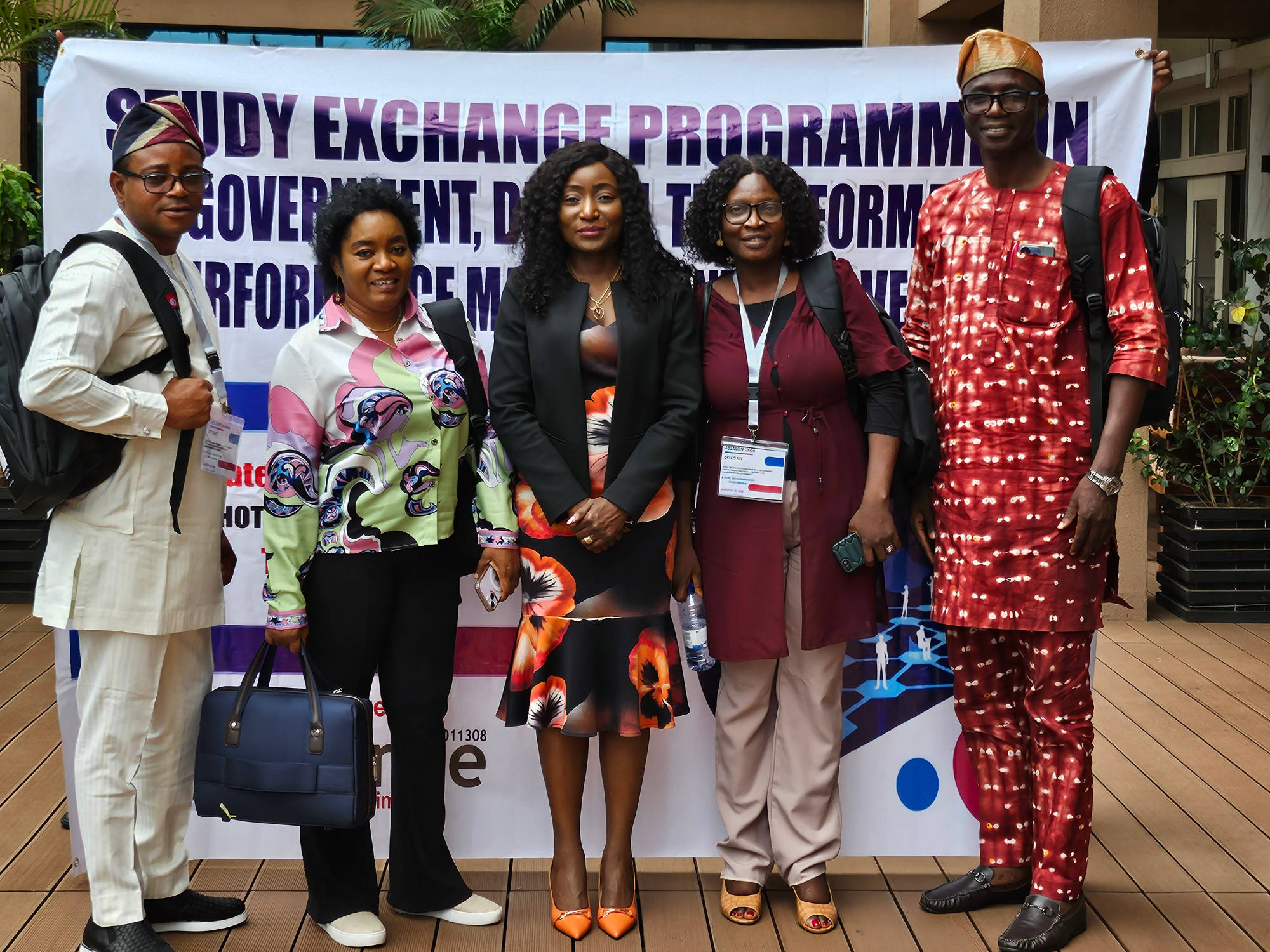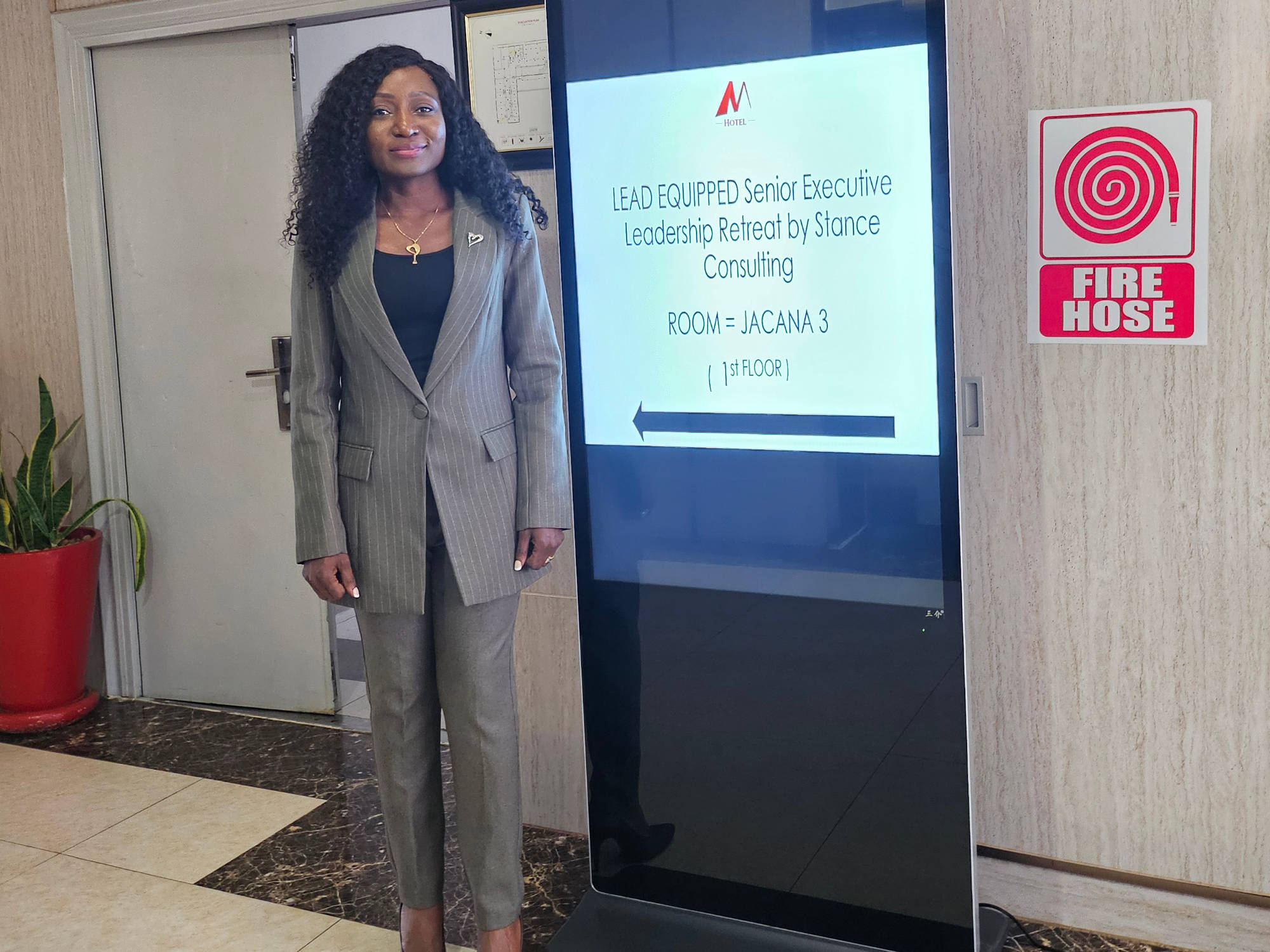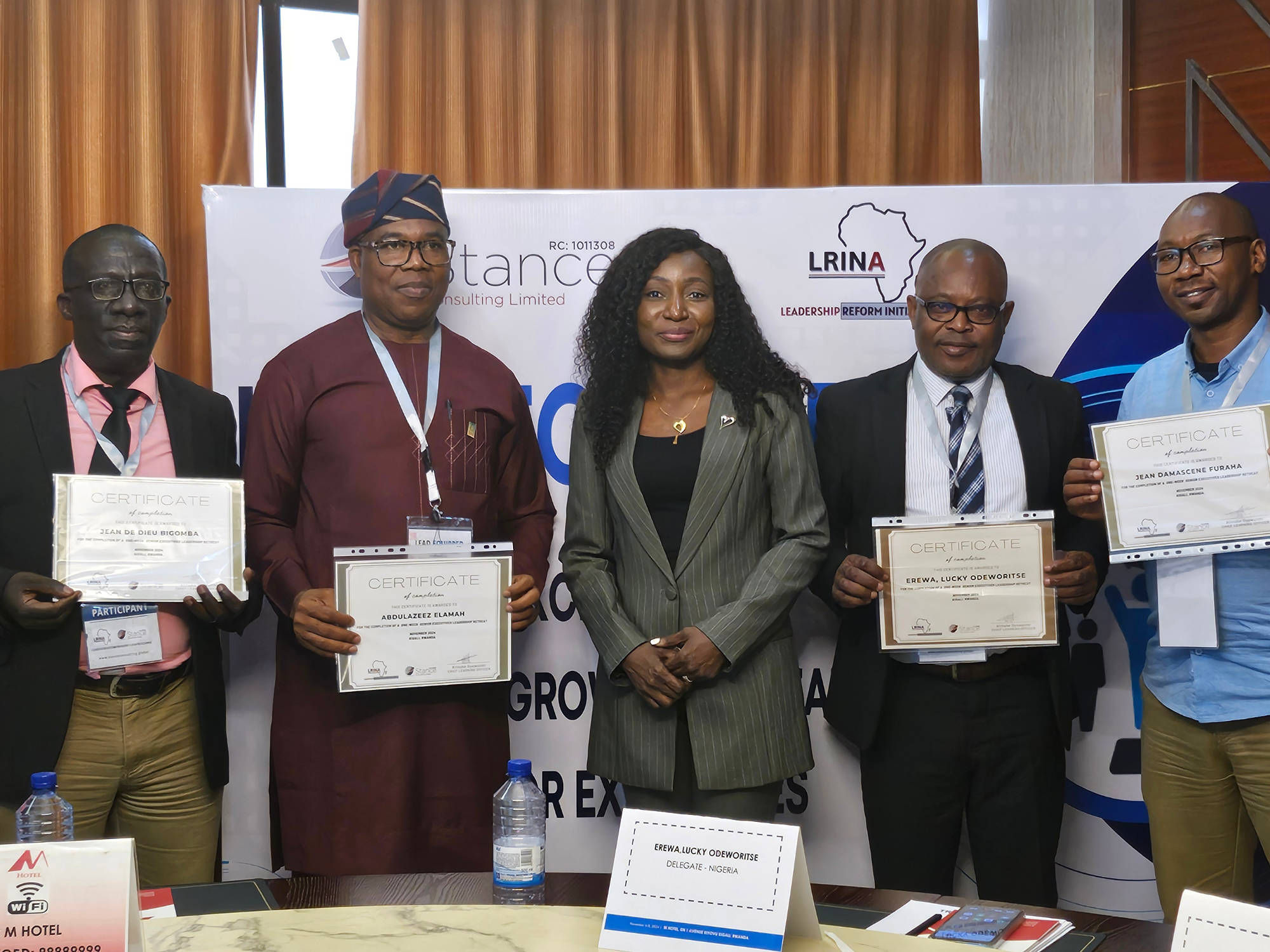
Transforming Leaders. Reforming Leadership. Shaping Africa’s Future.
The Future of Africa Is a Leadership Project
Introducing the Leadership Reform Initiative for Africa (LRINA)
The Leadership Reform Initiative for Africa is a transformational platform dedicated to reforming leadership through the transformation of leaders.
The initiative is built on the conviction that sustainable institutional, organizational, and societal reform begins with personal leadership reform. Systems are ultimately shaped by the quality of the people who lead them.
Rather than contributing to a culture of criticism and blame, LRINA seeks to create a movement that develops more self-aware, adaptive, ethical, resilient, and effective leaders capable of responding to the demands of the future.
The initiative combines world-class leadership education, structured reflection, executive development, coaching, peer learning, leadership research, and practical application to help leaders strengthen their leadership capacity from the inside out.
Where are we coming from?
For decades, conversations about Africa’s future have revolved around economic growth, infrastructure development, technological advancement, natural resources, education, healthcare, governance, and foreign investment. While each of these areas remains critically important, they all share a common denominator that is often overlooked: leadership.
Every national transformation story is ultimately a leadership story.
Nations rise when leadership capacity rises. Institutions become effective when leadership capability becomes stronger. Organizations thrive when leaders are equipped to navigate complexity, mobilize people, execute strategy, and build sustainable systems. Conversely, when leadership capacity is weak, even the most abundant resources struggle to produce meaningful and lasting development.
The future of Africa is therefore not merely an economic project, a political project, or a technological project. It is fundamentally a leadership project.
This reality lies at the heart of the Leadership Reform Initiative for Africa (LRINA), a bold intervention developed by Stance Consulting after more than fifteen years of working closely with leaders across public institutions, private organizations, educational institutions, development agencies, and civil society organizations. The initiative emerged from a simple but profound observation: many of Africa’s challenges are symptoms of a deeper leadership capacity deficit.
Across the continent, leaders are often entrusted with responsibilities for which they have received little preparation. Individuals are promoted into positions of authority because of technical expertise, academic achievement, professional experience, or political success, yet leadership itself requires a distinct set of competencies. The ability to influence, communicate, build teams, manage complexity, exercise power responsibly, drive change, and create sustainable institutions is rarely developed systematically. As a result, leadership failures are frequently interpreted as failures of character when they may, in fact, be failures of capability.
The Leadership Reform Initiative for Africa seeks to shift this conversation. Rather than merely criticizing leaders or lamenting poor leadership outcomes, the initiative focuses on understanding why leadership failure occurs and how leadership capability can be deliberately strengthened. It moves the continent away from a culture of blame and toward a culture of leadership development.
At its core, LRINA is built on the belief that leadership can be learned, strengthened, and transformed. The initiative recognizes that effective leadership is not the exclusive preserve of a gifted few. It is a discipline that can be developed through intentional learning, reflection, coaching, assessment, practice, and accountability. This perspective is particularly important for Africa because the continent’s aspirations cannot be achieved by a small number of exceptional leaders. Sustainable development requires leadership capacity at every level of society, from government institutions and corporate organizations to schools, communities, and families.
What’s different?
The significance of LRINA lies in its commitment to addressing leadership as a systemic issue rather than an individual one. Many leadership interventions focus on isolated training programmes that provide knowledge but often fail to produce lasting behavioural change. The Leadership Reform Initiative for Africa adopts a broader and deeper approach. It seeks to build leadership ecosystems that continuously develop leaders, strengthen institutions, and embed leadership excellence into organizational and societal culture.
Another defining feature of the initiative is its recognition that Africa’s development challenges are becoming increasingly complex. The continent is navigating rapid urbanization, demographic shifts, technological disruption, climate change, economic uncertainty, governance challenges, and global competition. These realities require leaders who can think adaptively, learn continuously, collaborate across boundaries, and lead in environments characterized by uncertainty. Traditional leadership models that rely solely on authority and control are no longer sufficient. Africa requires leaders who are equipped to learn, adapt, and mobilize collective action.
The initiative is also significant because it positions leadership development as a strategic investment rather than a discretionary activity. For too long, leadership training has been viewed as an optional intervention. Yet every major organizational failure, governance breakdown, institutional collapse, or strategic setback carries leadership implications. By investing in leadership capability, organizations and nations increase their ability to achieve sustainable results, manage risk, and create long-term value.
Looking towards the future
The Leadership Reform Initiative for Africa further recognizes that the continent’s future will be shaped not only by its leaders today but by the leaders it develops for tomorrow. With Africa projected to have the world’s youngest population, the need to intentionally cultivate leadership capacity among emerging leaders has never been more urgent. The initiative therefore places strong emphasis on building leadership pipelines capable of producing competent, ethical, and future-ready leaders across generations.
Ultimately, LRINA represents more than a programme. It is a movement to redefine how leadership is understood and developed across Africa. It is an acknowledgement that institutions become stronger when leaders become stronger. It is a recognition that sustainable development cannot be separated from leadership capability. Most importantly, it is a declaration that Africa’s future will not be determined solely by its resources, policies, or opportunities, but by the quality of leadership that guides them.
The greatest development challenge facing Africa may not be a shortage of ideas, talent, or potential. It may be the gap between the demands of leadership and the preparedness of those called to lead. The Leadership Reform Initiative for Africa exists to close that gap.
As Africa looks towards the future, one truth becomes increasingly clear: the continent’s transformation will be driven not simply by what it possesses, but by how effectively it is led.
The future of Africa is a leadership project, and the Leadership Reform Initiative for Africa is a strategic response to that reality.
For participation or partnerships, contact us: info@stanceconsulting.global